
Digital
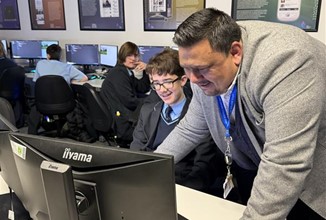
Throughout your studies, you'll learn about software development, games development, web development, data analysis, software design and project management, building a strong foundation for a wide range of digital careers.
Learning extends beyond the classroom, with opportunities to take part in enriching educational visits and industry experiences. Previous students have enjoyed trips to destinations such as Silicon Valley, the Computer History Museum in Berlin, Budapest and major gaming expos, providing valuable insight into the global digital industry and inspiring the next generation of technology professionals.
Next Event
View our courses
Digital at West Lancashire College
Contact our team
Meet our Digital students and tutors

Lynsey Makin
Head of Curriculum for Health, Education and Foundation LearningI am an experienced educator with a background in the health and care sectors. I am passionate about supporting learners on their educational journey and take great satisfaction in seeing them achieve their goals and progress into rewarding careers. I am proud to be part of a highly effective team that combines high expectations with a caring and nurturing approach. Together, we strive to equip our learners with the skills, knowledge, and confidence they need to recognise their potential, achieve their ambitions, and succeed in their future careers.

Aron Hartley
Digital LecturerPrior to teaching at West Lancashire College, I completed both an Honours Degree and a Master's Degree in Computing, specialising in Games Programming and Visual Computing. I currently teach on the BTEC Level 3 Computing course and the T Level in Software Development, allowing me to draw upon my specialist knowledge and industry expertise. With a wide range of programming units and a specialist games development unit, I enjoy designing engaging lessons that reflect my own experience and passion for computing. Sharing this knowledge with learners and helping them develop their technical skills is one of the most rewarding aspects of my role. I am passionate about inspiring the next generation of computing professionals. I particularly enjoy working with students who may initially feel that computing is too technical or challenging, showing them that, with practice, commitment, and the right support, programming can be both engaging and enjoyable. My goal is to help learners build the confidence, knowledge, and skills they need to succeed in their studies and future careers.

Bharat Kika
Digital LecturerI am an accomplished web developer and Digital teacher with a strong interest in technology and education. At West Lancashire College, I share my expertise and inspire the next generation of technology professionals. I have a genuine passion for helping students achieve their full potential through education. I firmly believe that self-accomplishment and perseverance can lead to positive, life-changing outcomes. My goal is to equip students not only with the technical skills needed to excel in the technology industry but also with the confidence to thrive in life beyond the classroom.

Lewis
Digital Alumni StudentI thoroughly enjoyed working with the software and coding units, and I appreciated how the course could prepare me for university and future career opportunities. I would recommend West Lancashire College to any high school student who is already thinking about their future. The facilities in the IT department are exceptional, and as a former student at another college, I could see the difference. West Lancashire College provided a supportive, friendly, and safe environment, and I would highly recommend it to everyone.

Angelo
Digital Alumni StudentI enjoyed studying Digital as it provided me with the qualifications needed to secure a place on a university course focused on Artificial Intelligence. AI is transforming the way society develops and how people live and work, making it an exciting and highly valuable field to pursue. Building a career in Artificial Intelligence remains my ultimate goal, and I am looking forward to developing my knowledge and skills further at university.

Kian
Digital Alumni StudentMy future ambitions were closely aligned with the Digital course I studied. I aspire to establish a career in either cybersecurity or artificial intelligence, two rapidly evolving fields with exciting opportunities for growth and innovation. My goal is to gain valuable experience through an apprenticeship or by progressing to a university course that combined both disciplines, enabling me to develop the specialist knowledge and skills needed for a successful career in the technology sector.

Caleb
Digital Alumni StudentI chose the course because I have always been interested in computing, how computers work, and gaming. I particularly enjoyed learning how to create websites using HTML, as it gave me valuable insight into web development and coding. One of the highlights of the course was the trip to Arcains, in Liverpool, in early 2023, which was a memorable and enjoyable experience. The course helped me develop my technical knowledge and practical skills while exploring different areas of the digital industry.

Joshua
Digital Alumni StudentI chose to study the Level 3 Computer Science course because I have a strong interest in IT and computing, and I aspire to build a career within the industry. The course modules helped me develop a deeper understanding of different areas of computing and provided valuable insight into potential career pathways. Through my studies, I gained a clearer understanding of the direction I wanted my career to take and the areas in which I hoped to specialise in the future.

Oliver
Digital Alumni StudentThe course sparked my interest in the subject and helped me identify a potential career path for the future. I thoroughly enjoyed the range of units covered throughout the course, as they provided valuable knowledge and insight into different areas of the industry. I also enjoyed the trips and enrichment opportunities offered, which enhanced my learning experience and gave me a greater understanding of potential progression and career opportunities.

Jakub
Digital Alumni StudentI decided to study Digital to expand my computing knowledge and focus on the areas that interested me most. The course helped me develop a wide range of technical skills and gave me valuable insight into different aspects of the digital industry. As a result of everything I learned, I progressed to study BSc (Hons) Games Design at Manchester Metropolitan University in September 2026.

Daniel
T Level Digital Alumni StudentI chose to study the T Level Digital course because I enjoyed working with computers and had a particular interest in programming and digital art. My favourite part of the course was developing Python programs and learning new coding techniques, which helped me expand my technical skills and knowledge. The course provided me with valuable experience and a strong foundation for further study. I subsequently progressed to studying Game Design at Edge Hill University, where I continue to develop my passion for technology and creativity.

Dean
T Level Digital Alumni StudentChoosing the Digital T Level was the ideal option for me, as I wanted to pursue a career in the IT industry. I enjoyed the wide range of topics covered throughout the course, which helped me develop valuable technical knowledge and practical skills. I also enjoyed the trips and enrichment opportunities that were offered, as they provided additional insight into the industry and enhanced my overall learning experience.

Jack
T Level Digital Alumni StudentI was interested in game design and programming, as well as learning about other areas of IT, which made this course the perfect choice for me. I enjoyed the wide range of modules, the educational trips, and the opportunities to experience real-world working environments. These experiences helped me develop my technical knowledge, broaden my understanding of the industry, and gain valuable insight into potential career pathways within the digital sector.

Jayden
T Level Digital Alumni StudentI have always been interested in computers, so the T Level Digital course seemed like the perfect choice for me. I thoroughly enjoyed the wide range of opportunities available, including trips to different universities and arcades, which helped broaden my understanding of the industry and potential career pathways. The course allowed me to develop valuable technical skills and gain hands-on experience in an engaging and supportive learning environment.

Connor
T Level Digital Alumni StudentI have always been passionate about computers and gaming, so the T Level Digital course was the perfect choice for me. One of the highlights of my time on the course was the international trip to Vienna, which was a unique and memorable experience that broadened my horizons and gave me the opportunity to create lasting memories. My work experience placement at Kammac as an IT Support Technician was equally valuable. It allowed me to gain hands-on industry experience, troubleshoot technical issues, and support technology systems in a professional working environment. The placement helped me develop my technical skills, confidence, and understanding of the IT industry, preparing me for future career opportunities in the sector.

Jakub K
T Level Digital Alumni StudentI chose the T Level Digital course because I enjoyed working with computers and had a goal of becoming a Computer Technician. The course helped me develop my technical knowledge and practical skills while providing valuable insight into the digital industry. My work experience placement at Burscough Priory Academy gave me the opportunity to set up equipment, troubleshoot technical issues, and repair laptops, providing valuable hands-on experience that supported my future career aspirations. Following the course, I progressed to study BA (Hons) Sports Media and Communications at University Academy 92 (UA92) in September 2026. This exciting next step allowed me to continue developing my skills and knowledge while pursuing a subject area that combines my interests in media, communications, and technology.

Alfie
Digital Alumni StudentI chose to study the Computing Level 3 course because I have always loved computers and everything about technology. I particularly enjoyed the games development units and learning about business applications for social media, which helped me develop both my technical and creative skills. The course provided me with a strong foundation in computing and prepared me for the next step in my education. Following completion of the course, I progressed to study BSc (Hons) Computer Science at University Academy 92 (UA92).

Ethan
T Level Digital Alumni StudentI had always wanted a career in technology and knew that this course would help me achieve my goals. I thoroughly enjoyed the first year of the programme, particularly the business-focused elements, as they aligned closely with my interests and gave me a broader understanding of the industry. Towards the end of June 2026, I began a Level 4 AI Marketing Apprenticeship with First Intuition while working for MG Controls. This exciting opportunity allowed me to continue developing my skills, knowledge, and industry experience while taking the next step in my career.

Alfie
Digital StudentI chose this course because I know it provides me with the knowledge, skills, and experiences that other courses may not offer. It also gives me the opportunity to learn new information about the industry and develop a deeper understanding of the career pathways available. The course helps me build my confidence, expand my knowledge, and prepare for my future ambitions.
What can I do with a qualification in Digital?
Daily tasks:
- Stays abreast of relevant legislation, considers its impact on the organisation.
- Considers alternative work procedures to improve productivity.
- Examines and reports on company and departmental structures, chains of command, information flows, etc. and evaluates efficiency of existing operations.
- Develops and administers salary, health and safety and promotion policies.
- Undertakes industrial relations negotiations with employees.
- Provides or arranges for provision of training courses.
- Oversees the monitoring of employee performance and career development needs.
- Oversees the preparation of job descriptions, drafts advertisements and interviews candidates.
- Determines staffing needs.
Daily tasks:
- Ensures that new technologies are researched and evaluated in the light of the organisation.
- Prioritises and schedules major IT/telecommunications projects.
- Considers the required IT/telecommunications staffing levels, oversees recruitment and appointment of staff and directs training policy.
- Develops the periodic business plan and operational budget for IT/telecommunications to deliver agreed service levels.
- Directs the implementation within the organisation of IT/telecommunications strategy, infrastructure, procurement, procedures and standards.
- Develops in consultation with other senior management the IT/telecommunications strategy of the organisation.
Daily tasks:
- Reports on IT activities to senior management.
- Plans and monitors work and maintenance schedules to ensure agreed service levels are achieved.
- Supervises the technical team and coordinates training.
- Takes responsibility for managing the development of a specialist aspect of IT provision such as user support, network operations, service delivery or quality control.
- Liaises with users, senior staff and internal/external clients to clarify IT requirements and development needs.
- Plans, coordinates and manages the organisation.
Daily tasks:
- Reports on project or programme to senior management and/or client.
- Coordinates and oversees implementation of the project or programme.
- Monitors progress including project/programme budget, timescale and quality.
- Manages third party contributions to the programme or project.
- Coordinates and supervises the activities of the project/programme team.
- Plans the stages of the project or programme, reviews actions and amends plans as necessary.
- Works with client or senior management to establish and clarify the aims, objectives and requirements of the IT project or programme.
Daily tasks:
- Works closely with clients to implement new systems.
- Researches, analyses, evaluates and monitors network infrastructure and performance.
- Examines existing business models and flows of data and designs functional specifications and test plans for new systems in order to meet clients.
- Provides advice and assistance in the procurement, provision, delivery, installation, maintenance and use of IT systems and their environments.
- Communicates the impact of emerging technologies to clients and advises upon the potential introduction of such technology.
- Undertakes feasibility studies for major IT developments incorporating costs and benefits, and presents proposals to clients.
- Liaises with internal/external clients in order to analyse business procedure, clarify clients.
Daily tasks:
- Writes operational documentation and provides subsequent support and training for users.
- Plans and maintains database structures.
- Implements and evaluates the software.
- Writes code for specialist programming for computer games, (for example, artificial intelligence, 3D engine development).
- Tests and corrects software programs.
- Develops user interfaces.
- Writes and codes individual programs according to specifications.
- Undertakes feasibility study to design software solutions.
- Examines existing software and determines requirements for new/modified systems in the light of business needs.
Daily tasks:
- Activates the 'live' website.
- Tests website interaction and performance prior to going 'live'.
- Writes and publishes content for the website.
- Establishes methods to ensure appropriate website security and recovery.
- Designs and develops web interfaces for relational database systems.
- Develops the website and applications.
- Designs web pages including graphics, animation and functionality to maximise visual effectiveness and facilitate appropriate access.
- Presents design options to the client.
- Liaises with internal/external client in order to define the requirements for the website.
Daily tasks:
- Deals with and reports on breaches in security.
- Examines IT system for potential threats to its security and integrity and draws up plans for disaster recovery if security is compromised.
- Makes recommendations concerning software/system quality.
- Develops quality standards and validation techniques.
- Develops, implements and documents test plans for IT software, systems and computer games.
- Undertakes the testing of software, systems or computer games for errors, identifies source of problems and proposes solutions.
Daily tasks:
- Acts as a liaison between users, outside suppliers, and other technical teams.
- Performs server backup and recovery operations and restarts systems following outages.
- Identifies problems, agrees remedial action and undertakes emergency maintenance if required.
- Analyses systems and makes recommendations to improve performance.
- Schedules and performs system maintenance tasks, such as loading user applications, programs and data.
- Configures and sets up new server systems.
- Administers, monitors and supports internal/external networks, servers, email, database and security systems.
Daily tasks:
- Reports on commonly occurring queries to detect underlying problems.
- Maintains a log of work in progress, calls received, actions taken and problems detected.
- Researches possible solutions in user guides, technical manuals and other documents.
- Refers more complex or intractable problems to appropriate IT professionals.
- Facilitates user access to systems.
- Installs and upgrades hardware, cables, operating systems and/or appropriate software.
- Advises users on how to resolve hardware and software problems.
- Provides technical support to IT users.
Upcoming events

College Tours
West Lancashire College
Wednesday 2nd September 2026
Thursday 1st July 2027

October Open Event
West Lancashire College
Monday 12th October 2026
4:30pm - 7:00pm
November Open Event
West Lancashire College
Thursday 19th November 2026
4:30pm - 7:00pm